All About Volcanoes
There are thousands of active volcanoes on Earth, with around 20 volcanic eruptions happening every day. Find out how volcanoes are formed, why they erupt, and how they can be predicted.
The News Of Kids
Reklamsız okumak için
What are Volcanoes?
Volcanoes are openings in the Earth's surface that allow lava, ash, and gases to escape from magma, which is molten rock that lives beneath the Earth's surface.
Volcanoes are evidence of the pressure and powerful forces that exist beneath the Earth's surface. Indonesia has the most volcanoes of any country, while the UK has no active volcanoes.
Types of Volcanoes
There are three common types of volcanoes: composite volcanoes, which are often the most deadly; shield volcanoes, which are large but usually less violent; and cinder cones.
Different types of volcanoes are formed depending on the viscosity of the magma, which is a measure of how thick a liquid is and how fast or slow it flows.
Volcanic Eruptions
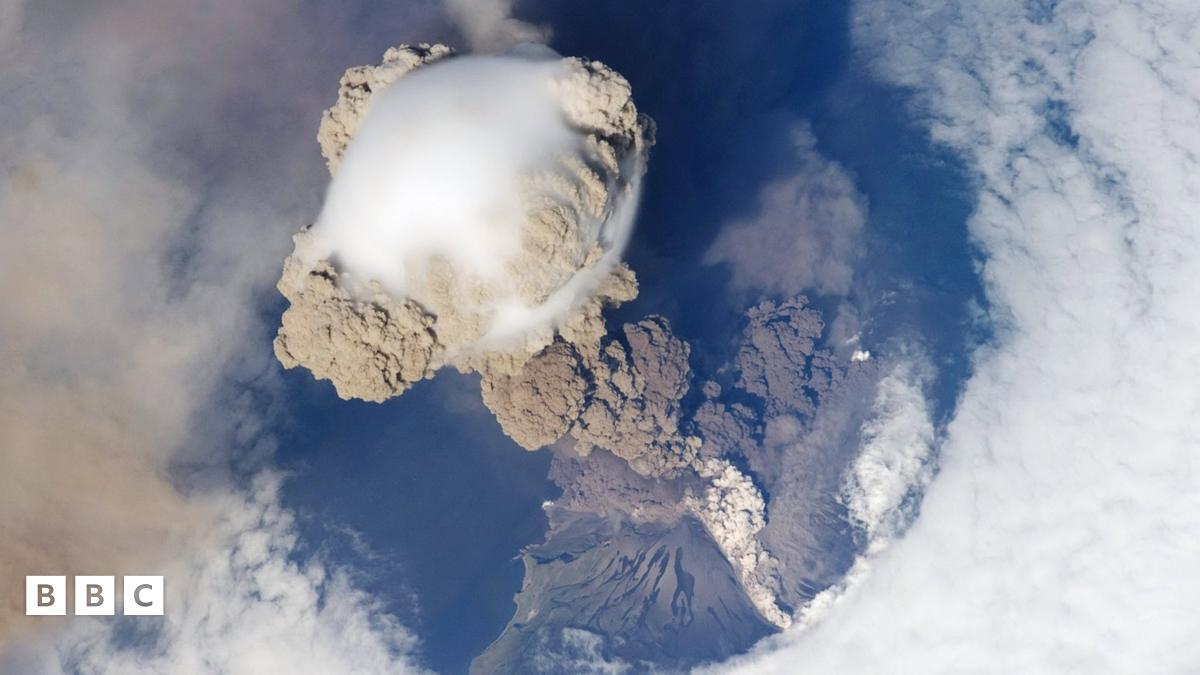
When a volcano erupts, it can affect the weather, causing rain, lightning, and thunder. This happens because the ash particles are forced into the atmosphere and attract water droplets.
Volcanoes can also affect the climate, cooling or warming the temperature. This is because volcanoes release CO2 and other gases into the atmosphere when they erupt.
Volcanic Dangers
Volcanoes can be very dangerous, as fast-moving lava can kill people, plants, and animals. Falling ash can make it hard to breathe, as volcanic ash is not soft like the ash from a wood fire.
Volcanic ash can also block out sunlight and reduce visibility when it spreads over large areas. It can also damage aircraft.
Volcano Observers
Scientists who specialize in volcanoes are called volcanologists. Volcanologists can look for clues that a volcano is about to erupt.
One of these clues is to monitor the activity beneath the Earth's surface, especially when magma starts to move underground. This movement can often trigger earthquakes.
Volcano Observation Tools
Volcanologists use a variety of tools and instruments to monitor and measure eruptions. These include seismometers that record ground movements, special instruments that detect and measure gases, satellites that orbit the Earth and can detect small movements, and even drones.
If an eruption is imminent, the behavior of animals in the area can also be a clue. Animals often 'sense' that an eruption is coming and become agitated.
Conclusion
There are thousands of active volcanoes on Earth, with around 20 volcanic eruptions happening every day. Learning more about volcanoes helps us understand the beauty and danger of these natural wonders.
Volcanologists are constantly working to understand how volcanoes are formed, why they erupt, and how they can be predicted. This knowledge can help reduce the impact of volcanic eruptions and save human lives.
📰 Source:BBC Newsround