A Sky Full of Shooting Stars: Ready for the Draconid Meteor Show?
On October 10 we’ll see stars sparkling like a rainbow in the sky. Learn how the Draconid meteor show works, where it comes from, and the best tips for watching it!
The News Of Kids
For ad-free reading
**Introduction to the Draconid Meteor Show**
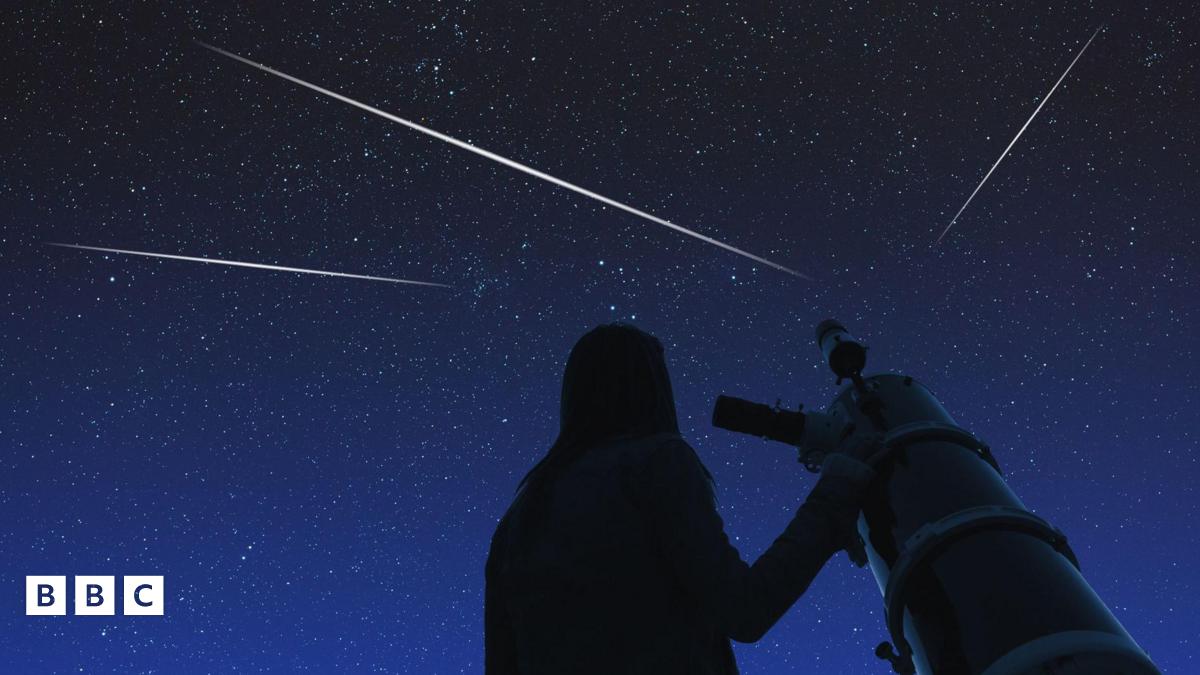
Every October the night sky fills with two big star shows: the Orionids and the Draconids. This year the Draconid meteor show will happen from October 6‑10, with the biggest burst on the evening of October 9. The Draconids are tiny bits of dust and little rocks that come from a comet called 21P/Giacobini‑Zinner. When these bits fly into Earth’s orbit they burn up and leave bright streaks in the sky. To see them, just pick a night when the sky is clear and there are no clouds.
**Why It’s Important**
Meteor shows let us see the trails left by comets traveling through space. The Draconids are named after the "Dragon" (Draco) constellation. This show is a great chance for kids who love space mysteries to watch real space rocks. It also opens a door to learning basic ideas about astronomy, physics, and how to observe the night sky.
**What Happened in the Past?**
People have been watching Draconid meteor shows since the early 1900s. In 2005 the Draconids put on a "big burst" with 70 meteors per minute, catching the attention of scientists and hobby astronomers. Every year the show is a little different, so it’s hard to guess exactly how spectacular the 2024 show will be, but you can always see a few shooting stars.
**Science Facts**
- **Speed:** Draconid meteors enter the atmosphere at 7‑45 miles per second (about 11‑70 km/s).
- **Origin:** The comet 21P/Giacobini‑Zinner was discovered in 1855.
- **Visibility:** You can only see the show from the Northern Hemisphere because Earth’s path only crosses the comet’s trail up north.
**Did You Know?**
- Draconid meteors are sometimes called "sky stars" because they flash briefly across the sky.
- Watching them helps astronomers track comet trails, which can lead to discovering new planets and stars.
**Questions Kids Might Ask**
1. *Why do meteors sparkle in the sky?*
- When they hit the atmosphere they get very hot from friction and glow with light.
2. *Are Draconids different from other meteor shows?*
- Yes, Draconids are usually visible in the early evening, while many other showers are best seen just before sunrise.
3. *What should I wear when I watch?*
- Warm clothes, a comfy chair, and give your eyes about 20 minutes to adjust to the dark.
**Tips for Watching**
- **Pick a Spot:** Choose a dark, shady garden or an open field away from city lights.
- **Timing:** After the sun sets, especially on the night of October 9, is the busiest time.
- **Get Ready:** Bring a warm drink, a blanket, and a cozy place to sit.
- **Prepare Your Eyes:** Stay in the dark for 20 minutes, then look up at the sky.
**How It Helps Kids**
Meteor shows connect children with nature and science. While watching, they realize how huge and mysterious space is. They also practice patience, curiosity, and careful observation. The Draconid show can be a family activity: kids can count the stars, learn their names, and start their own astronomy notebook.
**Conclusion**
Looking up on October 10 is more than just watching a light show—it opens a door to the secrets of the universe. The Draconid meteor show sparks imagination, feeds scientific curiosity, and brings families closer together. Get ready, find a comfy spot, and watch the stars dance in the sky. Who knows? Maybe one day you’ll become an astronomer yourself!
📰 Source:BBC Newsround


