July's Full Moon: What is Buck Moon and When Can You See It?
Get ready for July's full moon! The Buck Moon is coming, and it's a special time when male deer grow their antlers. Let's learn more about it!
The News Of Kids
For ad-free reading
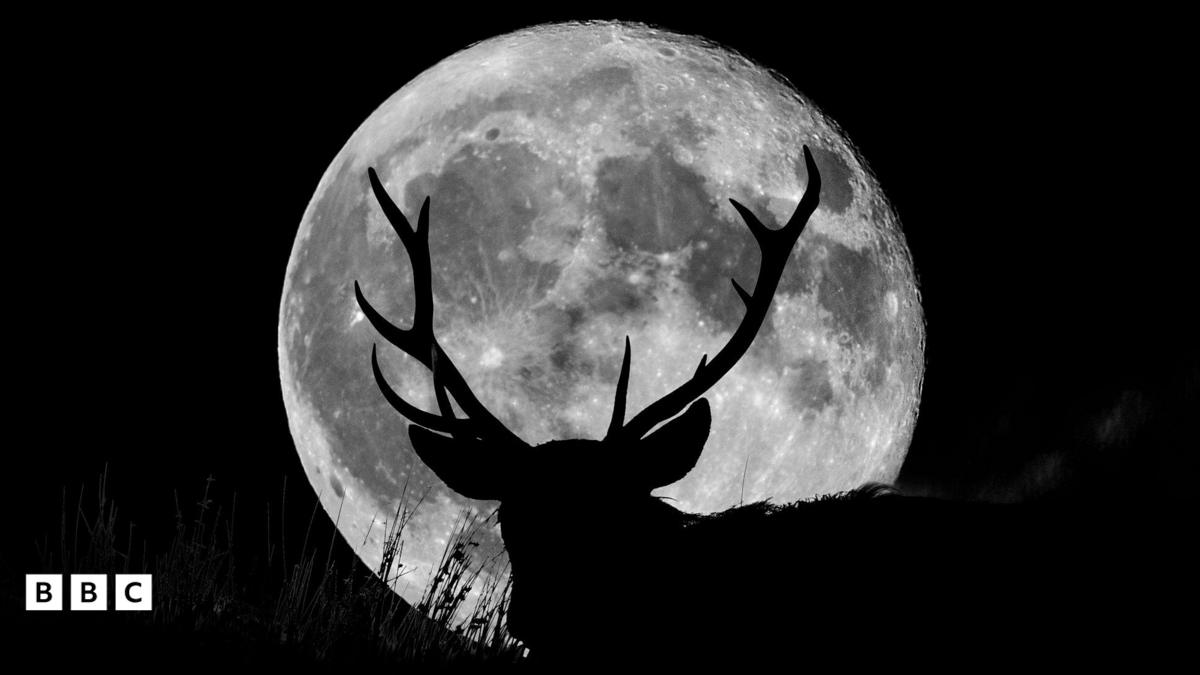
The full moon is approaching! The Buck Moon is a special time when male deer grow their antlers. In many cultures, people named the full moons throughout the year to keep track of time. July's full moon is called the Buck Moon in the Northern Hemisphere because it's when male deer grow their antlers. It's also called the Thunder Moon because of the summer storms. According to the Royal Observatory Greenwich, the full moon will peak on Wednesday, July 29th, at 3:36 PM, but this time might be slightly different depending on your location in the UK. You can also see the full moon before and after the peak day, so you have an extra chance to spot it! Throughout history, people used the moon and its light for various tasks like hunting, planting, and harvesting. Different cultures around the world gave the full moons different names to describe the month. The modern calendar doesn't exactly follow the moon's phases, so sometimes there can be two full moons in a month, which is called a Blue Moon. Did you know that January's full moon is called the Wolf Moon because wolves howl more during this time? February's full moon is called the Snow Moon because of the snowy weather. In late March, the Worm Moon appears, which is also known as the Milk Moon. The Pink Moon isn't actually pink, but it's named after the wild ground phlox flowers that bloom in the spring. May's full moon is named after the flowers, and other names include the Hare Moon, Corn Planting Moon, and Milk Moon. June's full moon is called the Strawberry Moon because the Native American Algonquin tribe harvested strawberries during this time. It's also known as the Honey Moon, Rose Moon, and Mead Moon. July's Buck Moon represents the time when male deer grow their antlers, and it's also called the Thunder Moon because of the summer storms. August's full moon is called the Sturgeon Moon because of the fish that are caught during this time. September's full moon is called the Corn Moon because it's harvest time. October's full moon is called the Hunter's Moon because it's hunting season. November's full moon is called the Beaver Moon because beavers build their dams during this time. December's full moon is called the Cold Moon because of the cold winter. This full moon is a great opportunity for kids to learn about the moon's phases and cultural significance. The different names of the moon can help kids explore nature and cultural diversity.
📰 Source:BBC Newsround