🚀 Space🎂 8-14 years📅 July 16, 2026
Meteor Shower: What are Delta Aquariids and How to Watch?
Exciting news for meteor enthusiasts and space fans! The Delta Aquariids meteor shower will be visible from July 12 to August 23, with the best viewing time on July 30. Learn how to watch this meteor shower.
AdvertisementGo Premium →
📢
The News Of Kids
For ad-free reading
What is a Meteor Shower?
The Delta Aquariids meteor shower is named after the Delta Aquarii star in the Aquarius constellation. However, astronomers are not entirely sure where this meteor shower comes from. Initially, it was thought to be from the Marsden and Kracht comets, but now experts believe it comes from the 96P/Machholz comet.How are Meteors Formed?
Comets heat up and release small particles of ice, rock, and dust as they approach the Sun. When these particles enter the Earth's atmosphere, they burn up and create a bright streak of light. Meteors can range in size from a grain of sand to a pea.How to Watch?
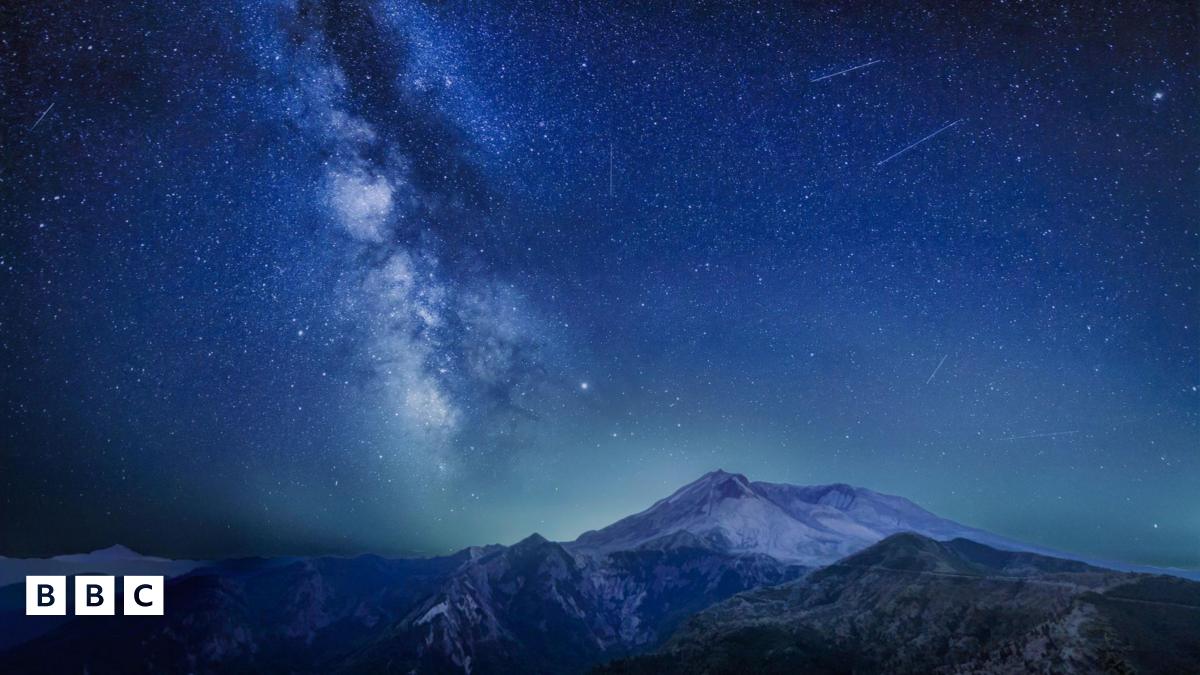
The Delta Aquariids meteor shower is active every year from mid-July, with the best viewing time on July 30. According to the Royal Observatory, the meteor shower will be visible from July 12 to August 23. Under ideal conditions, you can see up to 25 meteors per hour. You can see meteors with the naked eye, but it's recommended to go outside 20 minutes before to let your eyes adjust to the dark.Tips
To avoid light pollution, move away from city centers. If it's a cold night, don't forget to wear warm clothes, and bring a chair or mat to avoid straining your neck while gazing up at the sky.Did You Know?
Meteors are formed when small particles of rock and dust burn up in space. When they enter the Earth's atmosphere, they create a bright streak of light. Meteor showers occur at specific times of the year and put on a beautiful show in the sky.Conclusion
The Delta Aquariids meteor shower is an exciting event for space enthusiasts. Visible from July 12 to August 23, with the best viewing time on July 30, you can see up to 25 meteors per hour under ideal conditions. Go outside 20 minutes before to let your eyes adjust to the dark and enjoy the show!📰 Source:BBC Newsround