🔬 Science & Technology🎂 8-14 years📅 April 15, 2026
Plant Tattoos: Scientists Invent Electronic Tattoos to Monitor Plant Hydration
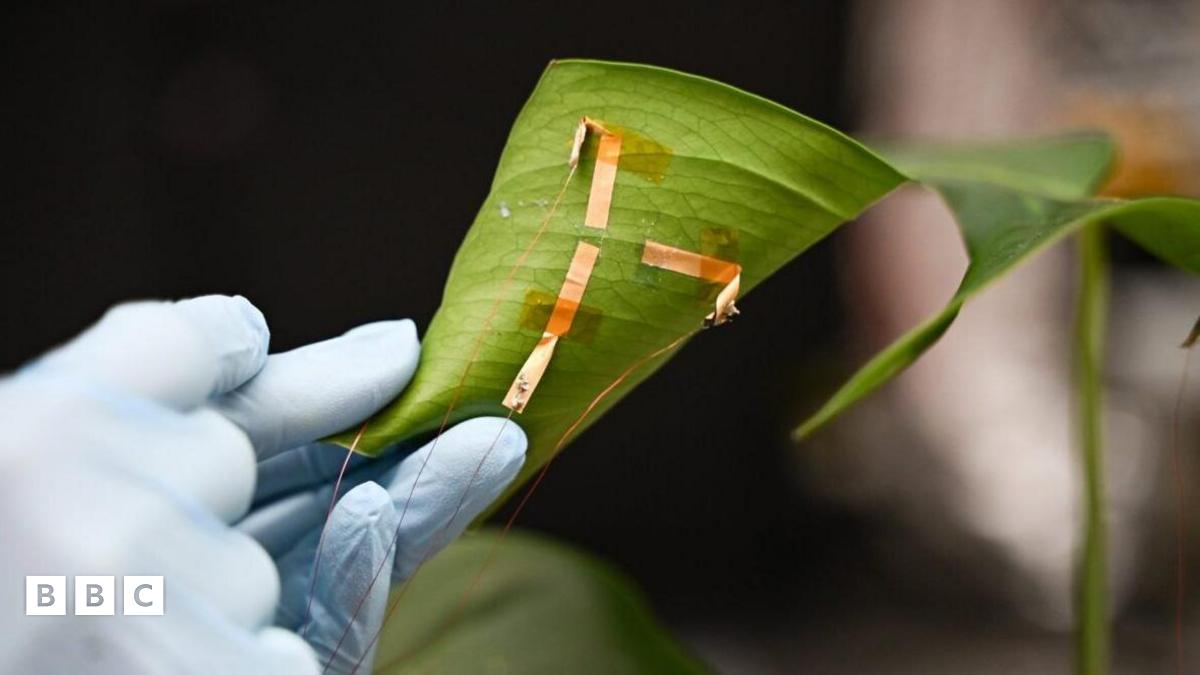
Scientists have created electronic tattoos to monitor plant hydration. These tattoos are designed to be attached to plant leaves and can be connected to a computer to monitor water levels. This technology can be used to prevent fires and increase crop yields.
ReklamPremium'a geç →
📢
The News Of Kids
Reklamsız okumak için
What are Plant Tattoos?
Can you imagine being able to check if a houseplant needs water, or if a farmer's crops need to be watered, just by checking a small tattoo-like device? Yes, scientists have invented these tattoos.How Does it Work?
Researchers at the University of Texas have developed small electronic tattoos that can be stuck to plant leaves without harming them. These tattoos are made of a flexible and sustainable material called graphene and can be connected to a computer to monitor water levels.Previous Methods
Previous tests required cutting branches or leaves at different times to determine a plant's water level. However, this method was time-consuming and could be harmful to plants.New Technology
The new technology allows for instant monitoring of water levels. Scientists can send a small electric shock to the plant's leaves and measure the movement of ions in the leaves, which is used to determine the plant's water level.Applications
This technology has many applications, including preventing fires, increasing crop yields, and monitoring the health of forests. Scientists hope that this technology will be further developed and have a wider range of applications in the future.Did You Know?
Plants can use many different methods to determine their water levels. For example, some plants can change the length of their roots to determine their water level. Others can change the color of their leaves to determine their water level.Conclusion
Plant tattoos are a new and exciting technology for monitoring plant hydration. This technology will be further developed and have a wider range of applications in the future. Scientists hope that it can be used to prevent fires, increase crop yields, and monitor the health of forests.📰 Source:BBC Newsround