Shrew’s Winter Nose: How a Tiny Mammal’s Snout Gets Bigger!
Did you know that some shrews grow a bigger nose in winter? Scientists discovered that a tiny animal’s snout gets larger to help it stay warm and find food. Let’s explore this cool animal trick!
The News Of Kids
Reklamsız okumak için
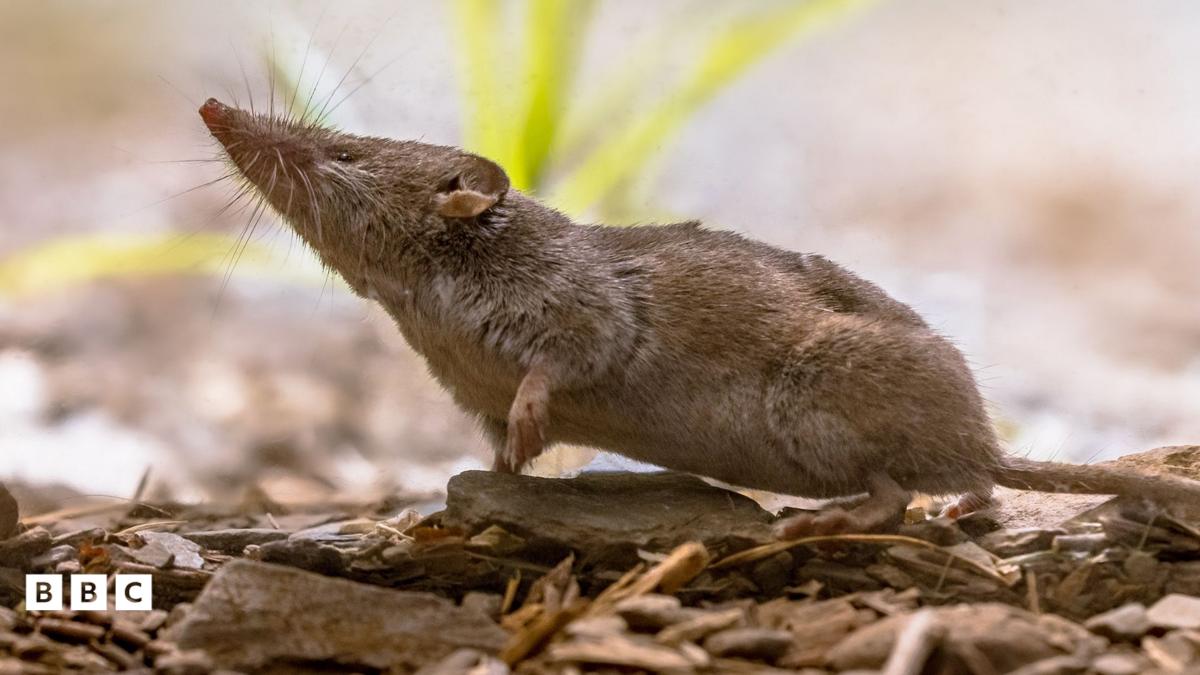
Shrews are the smallest mammals that live all over the world. They look like tiny mice and are very fast. Scientists are fascinated by how shrews survive the cold winter months.
### What is a Shrew?
Shrews are small, furry animals that eat insects, worms, and other tiny creatures. They are related to moles and hedgehogs. Because they are so small, they need to find clever ways to stay warm and find food when it’s hard to do so.
### The Winter Challenge
When winter comes, food becomes scarce and the air is very cold. Many animals hibernate, but shrews do something different. They shrink their bodies and even their brains to use less energy. This shrinking is called Dehnel’s phenomenon, named after the scientist who first noticed it.
### A Surprise Discovery
Scientists from Japan studied shrews that live on the island of Hokkaido. They looked at 136 shrew skulls that had been collected over 40 years. By comparing the skulls from different seasons, they found something amazing: the shrews’ noses grew bigger in winter!
### Why Does the Nose Grow?
The shrew’s nose gets about 7% taller and 6% wider during the cold months. This is the opposite of what happens to the rest of the body. The scientists think the bigger nose helps the shrew warm the cold air before it reaches the shrew’s brain. A larger nose has more blood vessels that can warm the air, keeping the brain at a good temperature.
### How Does a Bigger Nose Help?
1. **Warm Air** – The extra space in the nose lets the shrew’s body heat the air. This keeps the brain from getting too cold.
2. **Better Smell** – A larger nose can detect food smells more easily. Shrews use their noses to find earthworms and insects.
3. **Energy Saving** – By keeping the brain warm, the shrew can think and move without using too much energy.
### Did You Know?
- Shrews can shrink their brains by up to 20% in winter.
- The shrew’s nose is one of the few body parts that grows in winter, not shrinks.
- Shrews have a very fast heartbeat, about 600 beats per minute!
### Questions Kids Might Ask
**Q: Why don’t shrews just stay still like hibernating animals?**
A: Shrews need to keep moving to find food. Hibernating would mean they couldn’t eat.
**Q: Is the bigger nose dangerous for the shrew?**
A: No, it’s actually a helpful adaptation that keeps the shrew warm and helps it find food.
**Q: Do other animals have a similar trick?**
A: Some animals, like certain birds, have special feathers that keep them warm, but the shrew’s nose is a unique solution.
### How This Affects Us
Learning about shrews teaches us how animals adapt to their environment. It shows that even the smallest creatures have clever ways to survive. Scientists use these discoveries to understand more about biology, climate change, and how animals might cope with future changes.
### Looking Ahead
Scientists want to study more shrew species to see if they also grow bigger noses in winter. They also hope to learn how climate change might affect these adaptations. By studying shrews, we learn how important it is to protect all kinds of animals and their habitats.
In the end, the shrew’s winter nose reminds us that nature is full of surprises and that even the tiniest animals have big ideas to survive.
📰 Kaynak:BBC Newsround