Small Dinosaur that Hunted Birds Discovered in China
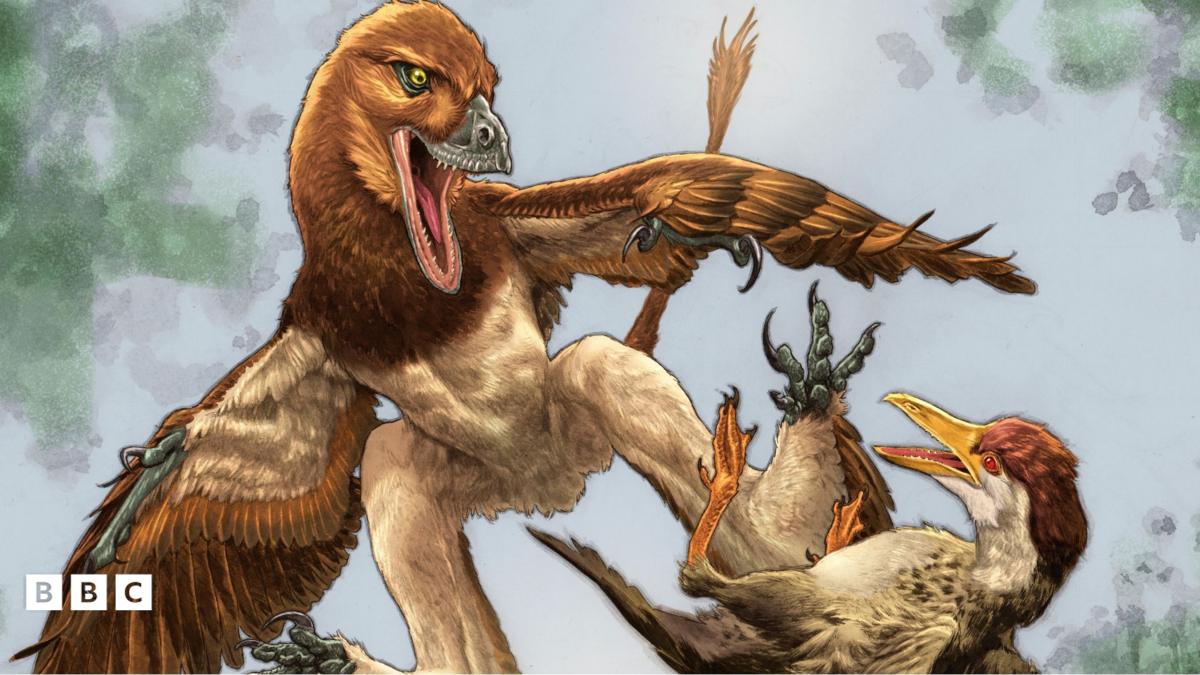
A new dinosaur discovery has been added to science. Jian changmaensis, a small dinosaur that lived around 120 million years ago, hunted birds for food. This discovery shows that even small dinosaurs can be strong and fierce hunters.
The News Of Kids
Reklamsız okumak için
# Dinosaur Discovery
Scientists have discovered a new dinosaur in China. Jian changmaensis was about the size of a pigeon and hunted birds for food. This discovery shows that small dinosaurs can be strong and fierce hunters.
# Jian Changmaensis
Jian changmaensis lived around 120 million years ago. It was named after a flying creature from Chinese legends. This dinosaur was a member of the Velociraptor family and was about the size of a pigeon.
# Hunting Style
Jian changmaensis hunted birds for food. Scientists think that the dinosaur could jump and use its sharp claws to catch its prey.
# Discovery
The remains of Jian changmaensis were found in the Gansu province of China. This province is known for its well-preserved ancient bird fossils.
# Dinosaur's Appearance
Scientists think that Jian changmaensis looked like a Velociraptor, but had long feathers on its front and back legs. It could jump and use its sharp claws to catch its prey.
# Fun Facts
Did you know that Jian changmaensis was a member of the dromaeosaur family? This family included bird-like dinosaurs that were expert hunters. Jian changmaensis was a member of this family and hunted birds for food.
# Questions for Kids
- How did Jian changmaensis hunt?
- What did Jian changmaensis look like?
- How was Jian changmaensis different from other dinosaurs?
# Answers
- Jian changmaensis hunted birds for food.
- Jian changmaensis looked like a Velociraptor, but had long feathers on its front and back legs.
- Jian changmaensis was a small but strong and fierce hunter.
# Conclusion
The discovery of Jian changmaensis shows that even small dinosaurs can be strong and fierce hunters. This discovery gives scientists more information about dinosaurs and will help us learn more about these amazing creatures.
📰 Source:BBC Newsround