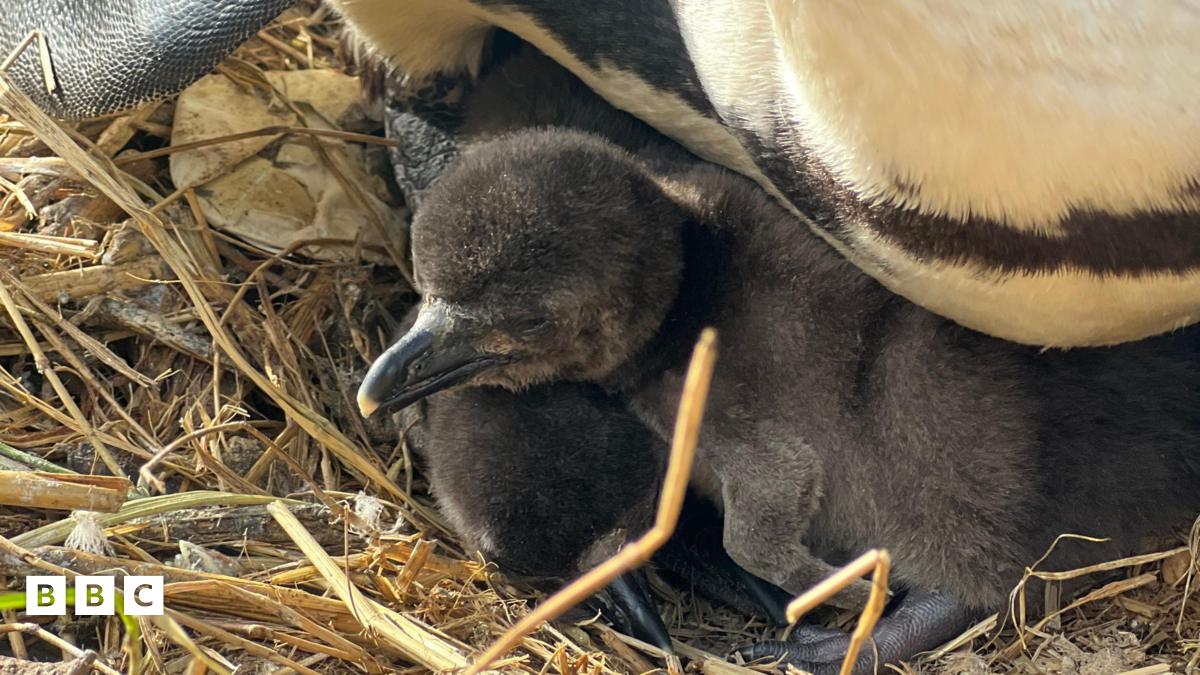
Twix and Twirl: Endangered Penguin Chicks
To celebrate World Penguin Day, two new penguin chicks have hatched at Banham Zoo. Twix and Twirl could be a beacon of hope for the future of a critically endangered species. Learn more about penguins and why they need our protection.
The News Of Kids
Reklamsız okumak için
Talking about penguins is always exciting, especially when it's about new baby penguins! Two new penguin chicks have hatched at Banham Zoo, and they could be a beacon of hope for the future of a critically endangered species. Twix and Twirl are African penguin chicks, also known as Black-footed Penguins. These penguins live on the southwest coast of Africa and are facing very serious threats. There are only less than 20,000 penguins left in their natural habitat. Penguins are in danger because their homes are being threatened and it's getting harder for them to find food. Climate change is also making it difficult for penguins to survive. Penguins eat fish and other seafood, but these resources are decreasing. The penguin chicks at Banham Zoo could be a beacon of hope for the future of the species. The zoo's penguin breeding program was set up to help increase the number of penguins. Sophie Imhof, the leader of the Bird Team at Banham Zoo, said that the penguin chicks are doing well and getting along with their parents, Kanene and Smithson. Let's learn more about penguins! Penguins usually live with the same mate and take turns incubating their eggs. Penguins eat about 14% of their body weight in food every day. Penguins can also throw their poop up to 3 feet away to keep their nests clean! Penguins are super fast swimmers and can reach speeds of up to 12 miles per hour when hunting. To protect penguins, we can work to preserve their homes, increase their food sources, and fight against climate change. Protecting penguins means not just saving penguins, but also their habitats and other animals that live there. Twix and Twirl could be a beacon of hope for the future of penguins. It's up to all of us to learn how we can help protect penguins and work to save them.
📰 Source:BBC Newsround